How to Style a Statement Piece (So It Looks Intentional, Not Random
You know that feeling when you buy a piece you love……and then you put it down and suddenly it looks like it’s just… sitting there?
That’s not because the piece is wrong.
It’s because statement pieces don’t want to “match." They want to be anchored.
Here’s how to style a statement piece so it looks curated, collected, and completely on purpose — not like you panic-placed it five minutes before guests arrived.

The Golden Rule: Your Statement Piece Needs a Job
A statement piece has one job:
to lead the space.
If everything else is also shouting, it looks chaotic. If everything else is too polite, it looks out of place.
So your goal is balance:
one hero + a supporting cast.
Step 1: Choose the “Hero Spot” First (Not the Piece)
Statement pieces look random when they don’t have a home.
Pick one place where you want the moment to happen:
console table
coffee table
sideboard
shelf
bedside table
kitchen counter corner
If you’re moving the piece around like it’s playing musical chairs, it’s not going to look intentional. Decide the spot first, then style around it.
Step 2: Give It Space (Yes, Space)
This is where most people ruin it.
They put the statement piece down… and then crowd it with ten other things.
Statement pieces need breathing room to look expensive and deliberate.
Rule: if it’s meant to be the hero, don’t surround it with clutter.
Think: gallery, not storage shelf.
Step 3: Add Two Supporting Pieces (Not Five)
This is the easiest way to make it look styled.
Use the 2-sidekick method:
Sidekick #1: Something grounding
This stops the statement piece looking “random.”
Examples:
a stack of books
a tray
a neutral candle
a simple bowl
a small framed print
Sidekick #2: Something with texture
This makes it feel layered and collected.
Examples:
ribbed ceramic
velvet
rattan
linen
wood grain
glossy vs matte contrast
That’s it.
One hero. Two sidekicks. Done.
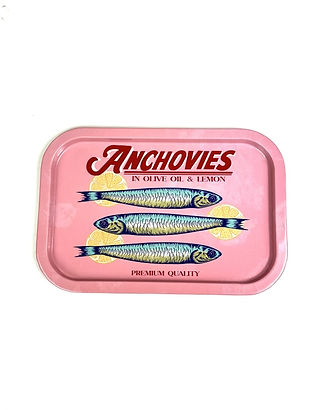
Pink Anchovies Tray 
Succulent In Terracotta Pot 
Pink Peony Diffuser
Step 4: Use Height Like a Stylist
If everything is the same height, your setup will look flat.
Give the eye a path:
Tall (hero)
Medium (sidekick)
Low (sidekick)
Even if you’re styling a shelf, height variation is what makes it feel “editorial.”
Step 5: Repeat One Detail (So It Feels On Purpose)
This is the secret weapon.
Choose one detail from your statement piece and repeat it once somewhere nearby:
a colour
a shape
a finish (glossy, matte, metallic)
a theme (retro, playful, sculptural)
Repetition makes it look curated.
Without it, it can look like the piece accidentally ended up there.
Step 6: The Final Check: Does It Look Collected or Coordinated?
Urban Cage rule: we don’t do “perfect matching sets.”
We do:
personality
contrast
pieces that look like you found them, loved them, and kept them
If it looks too “done from a shop,” remove one thing. If it looks too random, add one grounding element (tray/books).
Quick Styling Examples (So You Can Copy/Paste the Vibe)
Statement vase on a console:
hero vase
2 stacked books
small candle or dish
(leave space around it)
Bold ornament on a shelf:
hero ornament
simple frame behind it
textured object next to it
(keep the rest calm)

Lady Lemon Vase 
Pink Laughing Hippo 
Blue Cowboy Vase
“Weird” piece on a bedside table:
hero piece
lamp (height)
small tray (grounding)
Want the Easiest Shortcut?
Start with one strong statement piece — and let it lead.
That’s literally how you avoid the “random decor” look.
If your home feels “nice” but forgettable… it’s usually missing one thing:
a piece with a point of view.


Comments